Everyman’s Right Begins with Responsibility

Everyman's Right is often explained in just a few words.
You are free to move through nature. To walk across forests, pick wild berries and mushrooms, or pause beside a lake. To many visitors, it sounds almost extraordinary. As if Finland had granted its people a freedom that seems difficult to imagine elsewhere.
Spend a little time in Finnish Lapland, however, and it becomes clear that this explanation tells only part of the story.
Everyman's Right does not truly begin with freedom. It begins with responsibility.
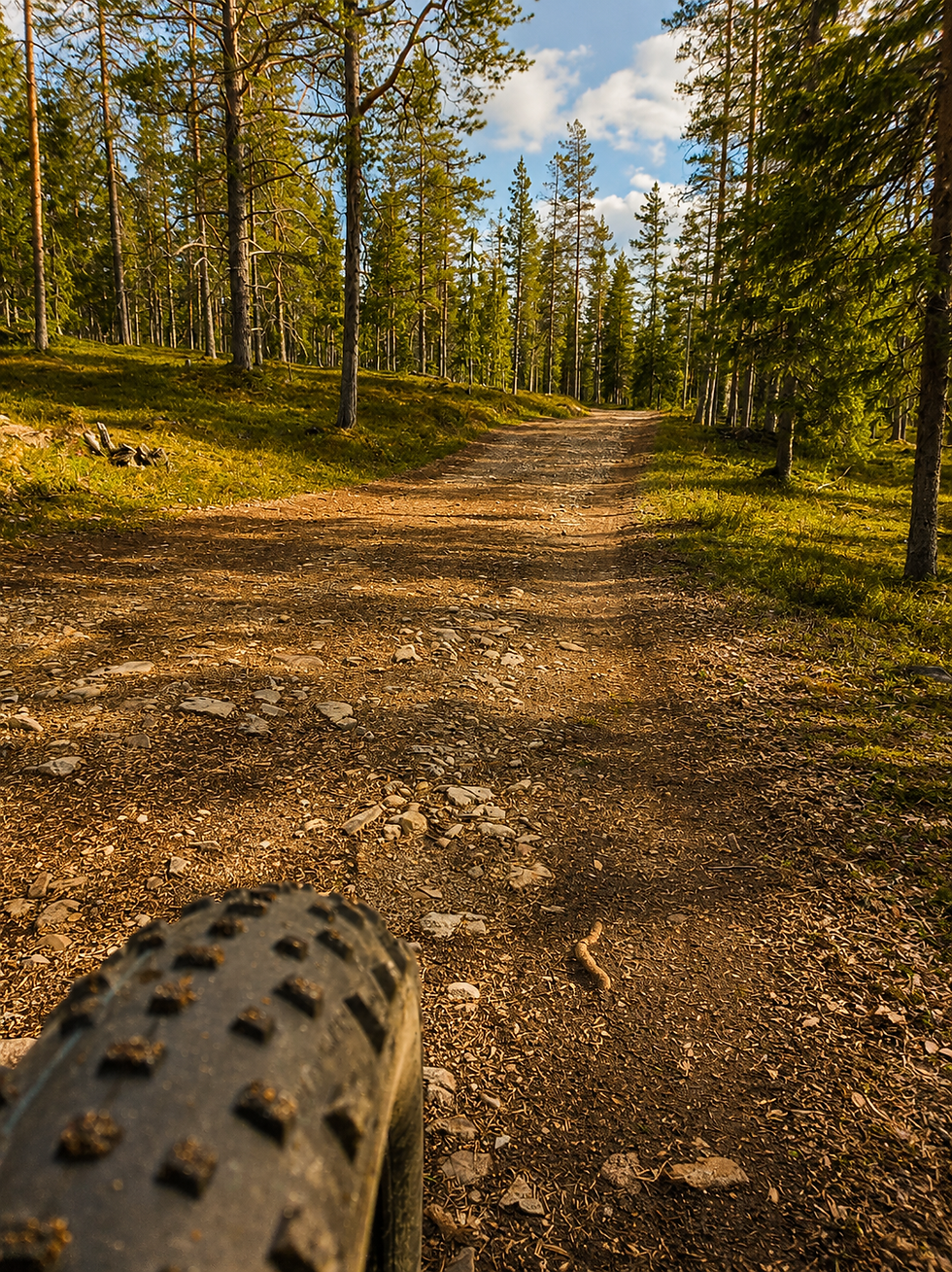
Nature belongs to no one. That is precisely why it belongs to everyone. A narrow cycling path remains a cycling path. Even when untouched forest stretches out on both sides, the bicycle stays where it belongs. A woodland trail remains just that. Moss is never treated as a shortcut. A fire is lit only where it has its place. And when the journey continues, the forest should hardly be able to tell that anyone has been there at all.
Remarkably, very few signs are needed. Perhaps because the landscape quietly teaches how it wishes to be treated.
Everyman's Right is built on this silent understanding. It offers remarkable freedom while trusting that each person will care for it in return. It is rarely discussed. Perhaps because, for many Finns, it has long become part of everyday life rather than something that needs to be explained.
Here, sustainability does not begin with a policy or a campaign. It begins with a single decision.
To stay on the path. To leave a place exactly as it was found. To take only what nature willingly offers and leave behind little more than footprints. Small gestures, almost unnoticed, yet together they allow the landscape to remain unchanged year after year.
For generations, the Sámi people have lived with this land. Their reindeer follow the rhythm of the seasons, and their routes have always adapted to nature rather than asking nature to adapt to them. What is protected today becomes part of tomorrow's life. Respect, therefore, begins long before rules require it. It grows from the understanding that we are only ever visitors for a little while.
Perhaps this is why Lapland feels so untouched. Not because people are absent.
But because they have learned to leave space for nature and to understand their own place within it.